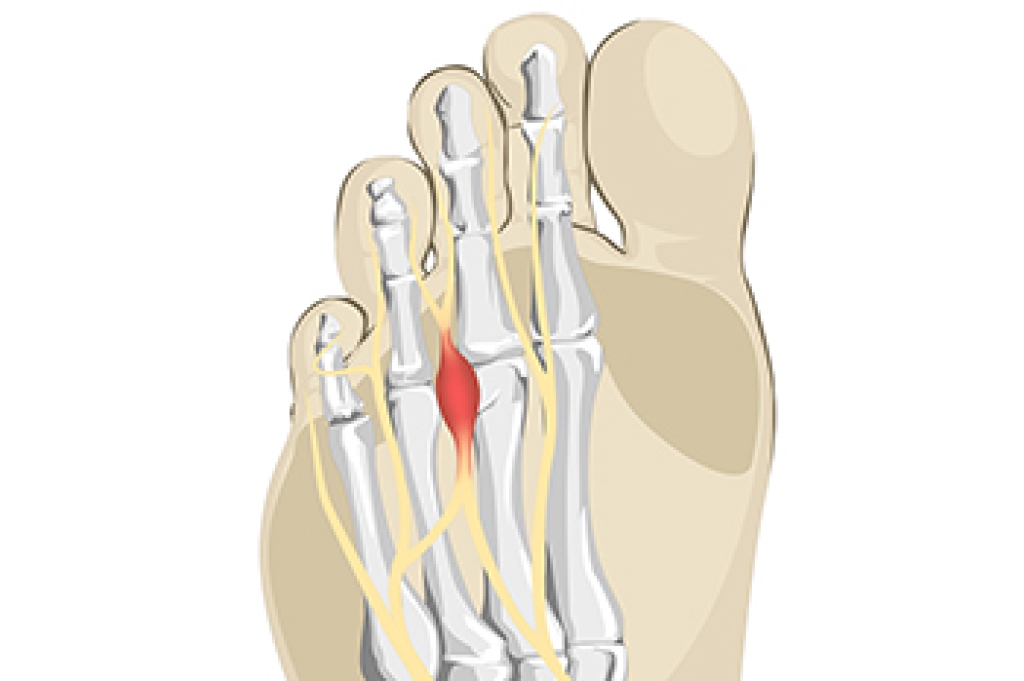
Understanding Plantar Warts

Plantar warts are small, rough growths that develop on the soles of the feet due to the human papillomavirus. They often appear as hard, grainy lesions with tiny black dots in the center and may cause pain while walking or standing. These warts can be mistaken for calluses but are often more tender and grow inward due to pressure from standing. They are commonly spread in moist environments like locker rooms or public showers. Individuals with weakened immune systems or those who walk barefoot are at higher risk. A podiatrist can diagnose plantar warts and offer treatments such as topical therapy, cryotherapy, or removal. If you have developed a plantar wart, it is suggested that you seek professional care from a podiatrist to ensure an accurate diagnosis and effective relief from discomfort.

Plantar warts can be very uncomfortable. If you need your feet checked, contact one of our podiatrists from Foot & Ankle Centers of Charlotte County . Our doctors will assist you with all of your foot and ankle needs.

About Plantar Warts

Plantar warts are the result of HPV, or human papillomavirus, getting into open wounds on the feet. They are mostly found on the heels or balls of the feet.

While plantar warts are generally harmless, those experiencing excessive pain or those suffering from diabetes or a compromised immune system require immediate medical care. Plantar warts are easily diagnosed, usually through scraping off a bit of rough skin or by getting a biopsy.

Symptoms

  • Lesions on the bottom of your feet, usually rough and grainy
  • Hard or thick callused spots
  • Wart seeds, which are small clotted blood vessels that look like little black spots
  • Pain, discomfort, or tenderness of your feet when walking or standing

Treatment

  • Freezing
  • Electric tool removal
  • Laser Treatment
  • Topical Creams (prescription only)
  • Over-the-counter medications

To help prevent developing plantar warts, avoid walking barefoot over abrasive surfaces that can cause cuts or wounds for HPV to get into. Avoiding direct contact with other warts, as well as not picking or rubbing existing warts, can help prevent the further spread of plantar warts. However, if you think you have developed plantar warts, speak to your podiatrist. He or she can diagnose the warts on your feet and recommend the appropriate treatment options.

If you have any questions, please feel free to contact our offices located in Punta Gorda and Port Charlotte, FL . We offer the newest diagnostic and treatment technologies for all your foot care needs.


Read more about All About Plantar Warts

Common Causes of Toe Pain

Toe pain can interfere with daily life and may stem from several underlying conditions. Gout is a form of arthritis caused by a buildup of uric acid, leading to sudden and intense joint pain, often in the big toe. A bunion is a bony bump that forms at the base of the big toe, due to misalignment and causing discomfort. Additionally, an ingrown toenail develops when the nail grows into the surrounding skin, resulting in pain, redness, and possible infection. A podiatrist can diagnose the exact cause and offer tailored treatments, from medication and nail care to corrective procedures. If you are experiencing persistent toe pain, it is suggested that you schedule a consultation with a podiatrist today to find effective relief and restore comfort.

Toe pain can disrupt your daily activities. If you have any concerns, contact one of our podiatrists of Foot & Ankle Centers of Charlotte County . Our doctors can provide the care you need to keep you pain-free and on your feet.

What Causes Toe Pain?

Most severe toe pain is caused due to a sports injury, trauma from dropping something heavy on the toe, or bumping into something rigid. Other problems can develop over time for various reasons.

Toe pain can be caused by one or more ailments. The most common include:

  • Trauma
  • Sports injury
  • Wearing shoes that are too tight
  • Arthritis
  • Gout
  • Corns and calluses
  • Hammertoe
  • Bunions
  • Blisters
  • Ingrown toenails
  • Sprains
  • Fractures (broken bones)
  • Dislocations

When to See a Podiatrist

  • Severe pain
  • Persistent pain that lasts more than a week
  • Signs of infection
  • Continued swelling
  • Pain that prevents walking

Diagnosis

In many cases the cause of toe pain is obvious, but in others, a podiatrist may want to use more advanced methods to determine the problem. These can range from simple visual inspections and sensation tests to X-rays and MRI scans. Prior medical history, family medical history, and any recent physical traumatic events will all be taken into consideration for a proper diagnosis.

Treatment

Treatments for toe pain and injuries vary and may include shoe inserts, padding, taping, medicines, injections, and in some cases, surgery. If you believe that you have broken a toe, please see a podiatrist as soon as possible.

If you have any questions please contact our offices located in Punta Gorda and Port Charlotte, FL . We offer the newest diagnostic and treatment technologies for all your foot and ankle needs.

Read more about Toe Pain

Heel Pain in the Morning?

Heel pain can negatively affect your day-to-day life. Simple activities like walking can become incredibly uncomfortable or painful due to heel pain.

Don’t live with heel pain and get treated.

Plantar Fasciitis Facts

Plantar fasciitis is a common condition that involves inflammation of the plantar fascia, a thick band of tissue that runs along the bottom of the foot. It often causes heel pain, especially with the first steps in the morning. Risk factors include prolonged standing, obesity, wearing improper footwear, and high impact activities. Symptoms typically involve sharp heel pain and localized tenderness along the arch. Diagnosis may include a physical exam to identify pain points and assess foot mechanics. A podiatrist can confirm the condition, recommend stretching exercises, prescribe custom orthotics, and guide treatment to relieve discomfort. If you are experiencing persistent heel pain, it is suggested that you consult a podiatrist for a personalized plan to help restore foot function and comfort.

Plantar fasciitis is a common foot condition that is often caused by a strain injury. If you are experiencing heel pain or symptoms of plantar fasciitis, contact one of our podiatrists from Foot & Ankle Centers of Charlotte County . Our doctors can provide the care you need to keep you pain-free and on your feet.

What Is Plantar Fasciitis?

Plantar fasciitis is one of the most common causes of heel pain. The plantar fascia is a ligament that connects your heel to the front of your foot. When this ligament becomes inflamed, plantar fasciitis is the result. If you have plantar fasciitis you will have a stabbing pain that usually occurs with your first steps in the morning. As the day progresses and you walk around more, this pain will start to disappear, but it will return after long periods of standing or sitting.

What Causes Plantar Fasciitis?

  • Excessive running
  • Having high arches in your feet
  • Other foot issues such as flat feet
  • Pregnancy (due to the sudden weight gain)
  • Being on your feet very often

There are some risk factors that may make you more likely to develop plantar fasciitis compared to others. The condition most commonly affects adults between the ages of 40 and 60. It also tends to affect people who are obese because the extra pounds result in extra stress being placed on the plantar fascia.

Prevention

  • Take good care of your feet – Wear shoes that have good arch support and heel cushioning.
  • Maintain a healthy weight
  • If you are a runner, alternate running with other sports that won’t cause heel pain

There are a variety of treatment options available for plantar fasciitis along with the pain that accompanies it. Additionally, physical therapy is a very important component in the treatment process. It is important that you meet with your podiatrist to determine which treatment option is best for you.

If you have any questions, please feel free to contact our offices located in Punta Gorda and Port Charlotte, FL . We offer the newest diagnostic and treatment technologies for all your foot care needs.

 

Read more about Plantar Fasciitis

Painful Ingrown Toenails

Ingrown toenails occur when the edge of the toenail grows into the surrounding skin, often affecting the big toe. This common condition can be caused by trimming toenails too short, wearing tight shoes, injury, or a natural curve in the nail. Symptoms include redness, swelling, pain along the nail edge, and sometimes drainage or infection, if left untreated. The area may feel tender to the touch and become increasingly painful when walking or wearing shoes. A podiatrist can diagnose an ingrown toenail with a simple exam. Treatment may involve gently lifting the nail edge, removing a portion of the nail, or prescribing antibiotics if an infection is present. In recurring cases, a minor procedure can permanently remove part of the nail to prevent future problems. Proper nail care and footwear recommendations can also help prevent recurrence. If you have developed an ingrown toenail, it is suggested that you promptly schedule an appointment with a podiatrist who can effectively treat this condition.

Ingrown toenails can become painful if they are not treated properly. For more information about ingrown toenails, contact one of our podiatrists of Foot & Ankle Centers of Charlotte County . Our doctors can provide the care you need to keep you pain-free and on your feet.

Ingrown Toenails

Ingrown toenails occur when a toenail grows sideways into the bed of the nail, causing pain, swelling, and possibly infection.

Causes

  • Bacterial infections
  • Improper nail cutting such as cutting it too short or not straight across
  • Trauma to the toe, such as stubbing, which causes the nail to grow back irregularly
  • Ill-fitting shoes that bunch the toes too close together
  • Genetic predisposition

Prevention

Wearing proper fitting shoes and using proper cutting techniques will also help decrease your risk of developing ingrown toenails.

Treatment

Ingrown toenails are a very treatable foot condition. In minor cases, soaking the affected area in salt or antibacterial soaps will not only help with the ingrown nail itself, but also help prevent any infections from occurring. In more severe cases, surgery is an option. In either case, speaking to your podiatrist about this condition will help you get a better understanding of specific treatment options that are right for you.

If you have any questions, please feel free to contact our offices located in Punta Gorda and Port Charlotte, FL . We offer the newest diagnostic and treatment technologies for all your foot care needs.

Read more about Ingrown Toenail Care

Connect With Us